Understanding whether Loreto, Mexico is safe for island hopping
Loreto in México sits quietly on the Sea of Cortez, facing a protected marine park. Many travelers ask whether Loreto, México is safe before planning island hopping across Loreto Bay and the nearby islands. The answer depends on how you prepare for the water, the town, and the wider Baja California Sur region.
The town of Loreto has a notably lower crime rate than many larger cities in México, and most incidents reported by visitors involve petty theft rather than violent crime. According to Mexico’s Executive Secretariat of the National Public Security System (SESNSP), Baja California Sur has recently recorded homicide rates well below the national average, which supports Loreto’s reputation as a calmer coastal base. When people compare safety in Loreto with busier resort hubs, the town feels more local and easier to navigate on foot, though you still need standard urban awareness in the town center, on the malecón, and when you rent a car for day trips into the desert or along the bay.
From a maritime perspective, safety considerations extend to the sea conditions around Loreto Bay and the islands near Danzante and Carmen. The Sea of Cortez can look glassy in the morning yet build short, steep chop by mid afternoon, which affects small boat crossings between the mainland and Danzante Bay. Local captains typically avoid departures when sustained winds exceed about 20 knots or when marine forecasts warn of strong northerly blows, and responsible operators monitor weather Loreto updates closely, choose the best departure windows, and adjust day itineraries when the wind rises over the open water.
Island hoppers should also consider health and environmental safety when planning extended time on the water. The sun over Baja California Sur is intense year round, so broad spectrum, reef friendly sunscreen protects both your skin and the fragile coral and fish nurseries beneath the surface. Pack water shoes for rocky beach landings, hydrate constantly, and treat the Sea of Cortez with the same respect you would give any remote, semi arid coastline.
Safety on the water around Loreto Bay and Danzante Bay
For island hopping, the core safety questions lie offshore, where small boats weave between islands and reefs. The bay system around Loreto Bay National Marine Park includes Isla Danzante, Isla del Carmen, and several smaller islets that create sheltered channels but also narrow passes. When you visit Loreto for multi island days, choose licensed captains who know these routes intimately and understand how the Sea of Cortez behaves in different seasons.
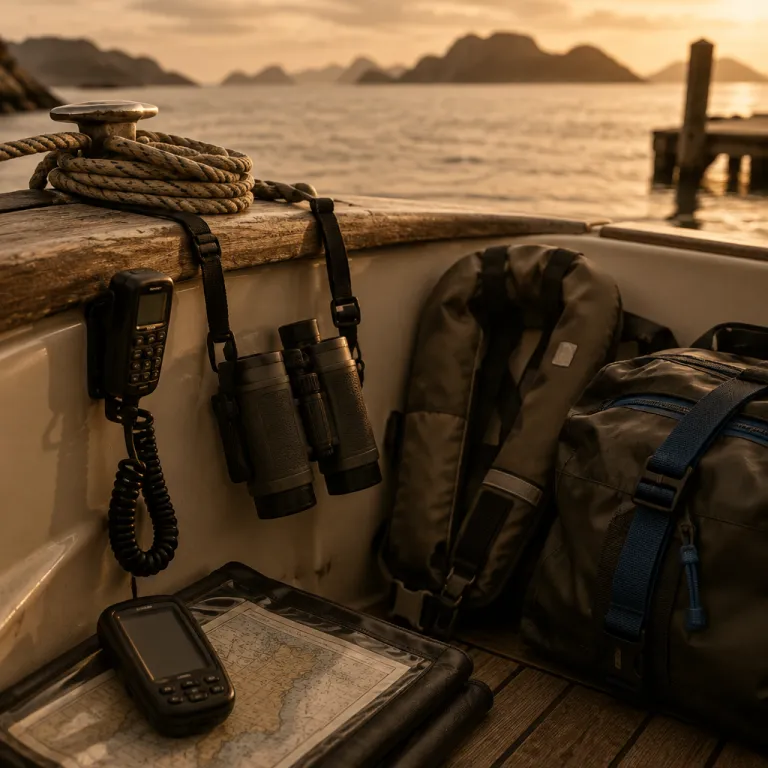
Most departures leave from the Loreto malecón or from marinas near Danzante Bay, and reputable operators provide life jackets, radios, and clear safety briefings. Ask directly about emergency procedures on the boat, the distance to the nearest port, and how they handle sudden changes in weather Loreto patterns such as northerly winds that can roughen the sea. A professional captain will cancel or shorten a day trip rather than risk uncomfortable crossings, which is a strong indicator that Loreto, México remains a responsible base for coastal adventures when you prioritize seamanship over rigid schedules.
Footing is another practical concern when you step from boat to beach on uninhabited islands. Many coves around Loreto Bay and Danzante Bay have pebbly shallows, stingrays resting in the sand, or volcanic rock shelves, so wearing snug water shoes significantly reduces the risk of cuts or stings. Combine those with reef friendly sunscreen and a wide brimmed hat, and you create a simple but effective barrier against the most common island hopping injuries in Baja California Sur.
For sailors clearing in or out by yacht, regional procedures also influence how secure Loreto feels as a maritime hub. Guidance similar to the structured clearance advice used in Saint Martin, such as the type of step by step support described in this elegant island hopping clearance guide, helps skippers manage paperwork calmly before focusing on navigation. When formalities are smooth and predictable, captains can devote more attention to sea state, fuel planning, and crew readiness for long passages along the Baja coastline.
Wildlife encounters, whale watching, and marine ethics
Many travelers ask about safety in Loreto because they plan close encounters with wildlife, especially during whale watching season. Loreto Bay and the wider Sea of Cortez host blue whales, humpbacks, dolphins, and playful sea lions that often approach boats curiously. These experiences can be transformative when managed responsibly, yet they require clear boundaries to remain safe for both humans and animals.
Choose whale watching and snorkeling operators who follow Mexican environmental regulations, keep respectful distances, and cut engines when whales or sea lions approach. In the Loreto México area, licensed guides receive training on approach angles, speed limits, and how to avoid separating mothers from calves, which directly affects how safe Loreto remains as a habitat. Peak blue whale sightings typically occur from January through March, while humpbacks and other species may be seen from roughly December into April, and reputable companies limit the number of boats near a pod at once even when demand is high.
Personal behavior in the water matters as much as operator ethics, especially when you swim near sea lions or over shallow reefs. Wear reef friendly sunscreen to prevent chemical damage to coral and plankton, and never chase or touch wildlife even if sea lions seem to invite play. Using water shoes helps you avoid stepping on urchins or fragile corals, which protects your feet and preserves the underwater landscape that makes island hopping in Baja California Sur so compelling.
Climate resilience also shapes long term safety for marine tourism hubs like Loreto, México and other coastal destinations. Regional initiatives similar to the Caribbean efforts described in this climate resilient tourism blueprint are increasingly relevant for Baja communities that depend on healthy seas. When local authorities, scientists, and tour operators collaborate on conservation, the question of safety expands beyond crime statistics to include ecosystem stability and predictable seasons for whale watching and island hopping.
On land in Loreto town: transport, airport logistics, and day trips
Safety in Loreto, México also depends on how you move between the airport, the town, and the coast. Loreto International Airport, often listed as Airport LTO on tickets, is small, manageable, and less chaotic than many larger international airport hubs in México. This scale makes arrivals and departures calmer, which many island hoppers interpret as another sign that Loreto is a comfortable choice for first time visitors.
From Loreto International, you can take a taxi into town, arrange a hotel transfer, or rent a car for more flexible day trips along Baja California Sur. If you rent a car, inspect tires, brakes, and lights carefully, because long stretches of highway between Loreto and San Javier or other missions can be remote with limited services. Driving during daylight hours, keeping fuel above half a tank, and avoiding excessive speed on winding desert roads all contribute to a safer Loreto México experience.
Within the town itself, most visitors feel comfortable walking the malecón at sunset, exploring the historic mission, and dining at local restaurants near the plaza. Petty theft can occur, so use standard precautions such as keeping valuables out of sight in your car and avoiding isolated alleys late at night. When you visit Loreto for several days, you will likely notice that the town’s rhythm is relaxed and family oriented, which supports the perception that Loreto is secure compared with busier resort corridors.
Day trips to the Mission of San Javier in the Sierra de la Giganta offer a different angle on safety, blending cultural immersion with mountain driving. The road is paved but narrow in places, so cautious speeds and alertness to livestock on the shoulder are essential, especially when returning after a late sunset. Many travelers choose guided excursions instead of self driving, which allows them to focus on the landscape and history while a local driver manages the route.
Gear, packing, and practical safety for island hopping days
Thoughtful packing plays a decisive role in whether your Loreto México island hopping feels safe and comfortable. The combination of intense sun, reflective water, and dry desert air can surprise travelers who underestimate how quickly conditions change between town and open bay. Preparing with the right gear turns the question of safety into a matter of personal readiness rather than external risk.
For every day on the Sea of Cortez, bring a wide brimmed hat, polarized sunglasses, and long sleeve sun shirts in addition to reef friendly sunscreen. Apply sunscreen at least thirty minutes before boarding the boat, then reapply every two hours, especially after snorkeling or swimming near sea lions and reefs. Pack water shoes for rocky beach landings and hot sand, and carry at least two liters of drinking water per person to stay ahead of dehydration in the Baja California Sur climate.
Dry bags, lightweight towels, and a compact first aid kit further enhance safety during island hopping from Loreto Bay or Danzante Bay. Include bandages, antiseptic wipes, motion sickness tablets, and any personal medications you might need if a boat must remain offshore longer than planned due to shifting weather Loreto conditions. When your gear covers these basics, you can relax into the experience and appreciate how calm and secure Loreto, México feels for multi island days.
For a detailed approach to streamlined packing that still respects safety needs, consult this carry on only island hopping packing strategy. Adapting those principles to Loreto means prioritizing sun protection, hydration, and layers for cooler boat rides at dawn or after sunset. When your bag reflects the realities of the Sea of Cortez rather than generic beach assumptions, the practical side of staying safe becomes much easier to manage.
Seasonality, weather in Loreto, and choosing the best time to visit
Weather patterns shape both comfort and safety for island hopping around Loreto, México. The climate is generally dry and sunny year round, but seasonal shifts in wind, temperature, and sea state influence how the bay behaves. Understanding weather Loreto trends helps you decide when conditions align with your preferred style of travel, whether that means calm paddling days or adventurous crossings.
Winter and early spring often bring cooler air, excellent visibility, and prime whale watching conditions in the Sea of Cortez. During these months, northerly winds can create choppy seas in exposed channels, so captains may favor more sheltered routes within Loreto Bay or closer to Danzante Bay. Summer and early autumn tend to be hotter and more humid, with warmer water that suits snorkeling but also requires extra attention to hydration and sun exposure on every day trip.
Storm systems and occasional tropical events can affect Baja California Sur, though Loreto, México is less frequently impacted than some Atlantic facing coasts. Reputable operators monitor marine forecasts closely and cancel outings when conditions threaten safety, which reinforces the perception that Loreto is a prudent choice when you trust professional judgment. As a traveler, staying flexible with your schedule and building buffer days into your itinerary allows you to adapt gracefully if the Sea of Cortez demands a pause.
Sunset timing also matters for planning safe returns from the islands to Loreto town or Danzante Bay marinas. Many captains aim to be back at the malecón before dark, when navigation markers and unlit pangas become harder to spot on the water. If you request a late sunset cruise, confirm that your operator has proper lighting, radios, and experience with night approaches to the harbor.
Golf, resorts, and integrated safety for longer Loreto stays
Some island hoppers extend their Loreto, México visit with golf, spa time, or longer stays in coastal resorts. The TPC Danzante Bay golf course, set above the Sea of Cortez, attracts players who also want boat excursions and whale watching in the same trip. When evaluating whether Loreto is suitable for a multi activity holiday, consider how well your chosen property coordinates transport, guides, and emergency support.
Resorts and guesthouses around Loreto Bay and Danzante Bay often maintain relationships with vetted boat captains, hiking guides, and drivers. This network reduces the guesswork of finding reliable services in town and supports a consistent safety standard across your entire experience. Ask how they handle medical situations, which clinics they use in Loreto, and whether staff receive regular training in first aid and emergency communication.
Golfers at TPC Danzante Bay should prepare for strong sun and variable breezes that can change quickly over the Baja California Sur ridges. Carry reef friendly sunscreen even on the course, hydrate steadily, and respect cart path rules to avoid accidents on steep slopes. When you combine these habits with the same awareness you bring to boat days, the broader Loreto México environment feels cohesive and secure rather than fragmented between land and sea.
For many repeat visitors, the ultimate sense of safety comes from the ease with which they move between airport, town, bay, and islands. Loreto International remains compact, the malecón feels welcoming at sunset, and the Sea of Cortez continues to reward those who approach it with humility and preparation. With thoughtful planning, island hopping from Loreto becomes not only memorable but also reassuringly well within the bounds of prudent adventure travel.
Key figures and safety statistics for Loreto and Baja California Sur
- According to data from the Mexican federal government’s SESNSP reports, Baja California Sur consistently ranks among the Mexican states with lower homicide rates per 100 000 inhabitants compared with national averages, which supports the perception that Loreto, México is safe relative to many urban centers.
- Tourism authorities report that whale watching in the Sea of Cortez and adjacent bays contributes significantly to regional income, with thousands of visitors each season joining regulated tours that have strong safety records and minimal reported incidents when operators follow established guidelines.
- Climate data for Loreto indicate more than 300 sunny days per year, which increases the risk of sunburn and heat related illness but also allows travelers to plan island hopping with a high degree of weather predictability when they use proper sun protection and hydration strategies.
- Marine park regulations in Loreto Bay National Park limit the number of boats and visitors in sensitive zones, a measure that reduces crowding related accidents and helps maintain safe distances between vessels during peak whale watching and snorkeling periods.
FAQ: safety and island hopping from Loreto, México
Is Loreto, Mexico safe for solo travelers who want to island hop
Loreto is generally considered safe for solo travelers who exercise standard precautions such as avoiding isolated areas late at night and securing valuables. Joining reputable group tours for island hopping, whale watching, and snorkeling adds another layer of safety through professional oversight and shared logistics. Many solo visitors report feeling comfortable walking the malecón and central town streets, especially during early evening hours.
How safe are boat trips from Loreto Bay to the nearby islands
Boat trips from Loreto Bay and Danzante Bay to nearby islands are usually safe when operated by licensed, experienced captains who monitor weather Loreto forecasts and carry proper safety equipment. Look for life jackets in good condition, functioning radios, and clear briefings before departure. Avoid unlicensed operators who cannot explain their emergency procedures or show proof of authorization to work within the marine park.
Is it safe to rent a car and drive around Baja California Sur from Loreto
Renting a car in Loreto can be safe if you choose a reputable agency, inspect the vehicle carefully, and drive defensively on highways and mountain roads. Daytime driving is strongly recommended, especially on routes to San Javier or other remote areas where lighting and services are limited. Keep fuel levels high, carry water, and respect speed limits to reduce risks on long stretches of desert road.
Are wildlife encounters, such as swimming near sea lions, considered safe
Swimming near sea lions and other wildlife around Loreto can be safe when done with professional guides who understand animal behavior and local regulations. Guests should maintain respectful distances, avoid sudden movements, and never attempt to touch or feed animals. Wearing reef friendly sunscreen and water shoes protects both the environment and your own skin during these encounters.
What health precautions should I take for a safe trip to Loreto
For a safe stay in Loreto, focus on sun protection, hydration, and basic food and water hygiene. Use reef friendly sunscreen, drink bottled or purified water, and carry any personal medications you might need, as pharmacies in town may not stock every brand. Travel insurance that covers medical evacuation is advisable for those planning extensive island hopping or remote excursions in Baja California Sur.